
What If You Were an Engineer? From Ideas to Innovation
10th October 2026
Primary Engineer works with schools across the North East to help children and young people discover engineering through practical, creative and real-world experiences.
Through its programmes and competitions, pupils get to meet engineers, explore how engineering can solve everyday problems and bring their own ideas to life through hands-on activities. Teachers also receive training, resources and support to feel more confident bringing engineering into the classroom.
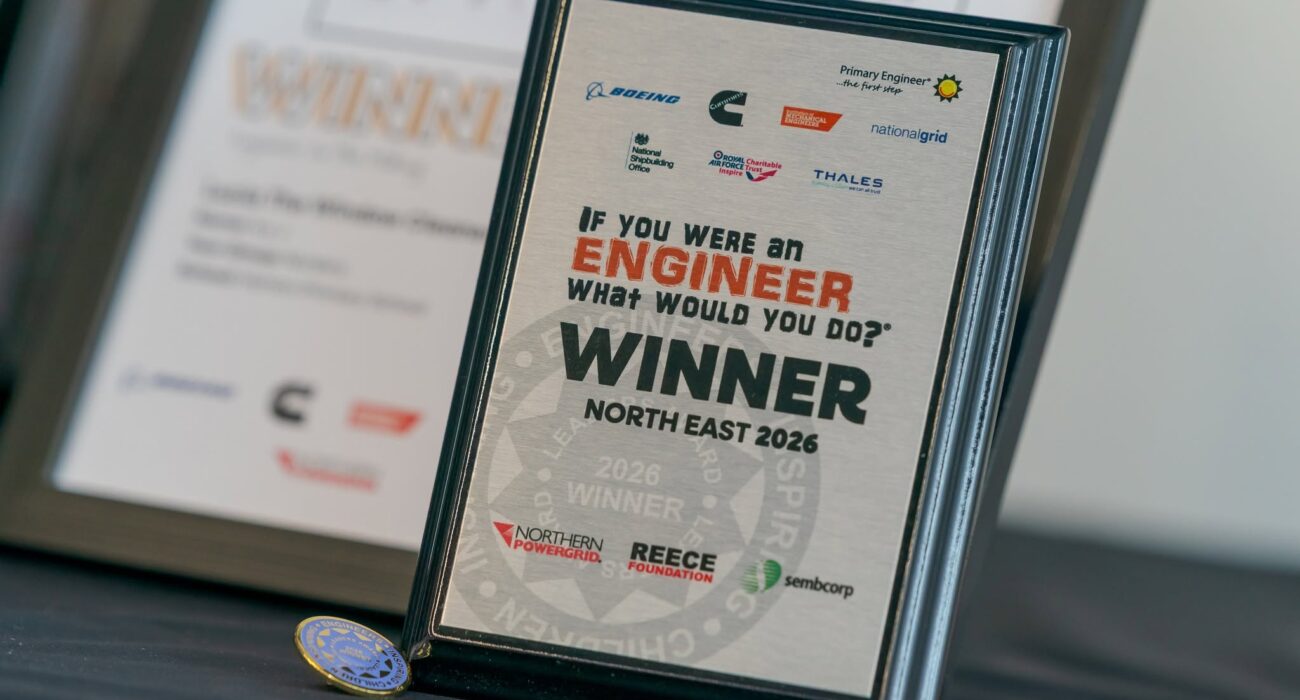
The Reece Foundation has supported Primary Engineer activity in the North East since 2017, helping more schools and young people across the region get involved with two key areas of activity: the ‘If you were an engineer, what would you do?’ Leaders Award competition and Primary Engineer Programmes.

Susan Scurlock MBE, Founder & CEO of Primary Engineer said:
“Our partnership with the Reece Foundation has enabled us to reach more schools and give more young people the opportunity to experience engineering for themselves. By putting engineering into the hands of children and teachers, we can help them develop practical skills and confidence while showing them that engineering is creative, exciting and relevant to their lives and future.”

What is Primary Engineer?
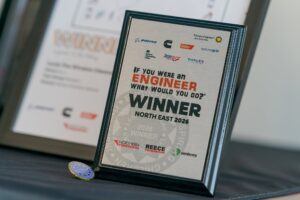
‘If you were an engineer, what would you do?’ Leaders Award
Established in 2013, the ‘If you were an engineer, what would you do?’ Leaders Award is now the UK’s largest engineering competition for young people aged 3–19.
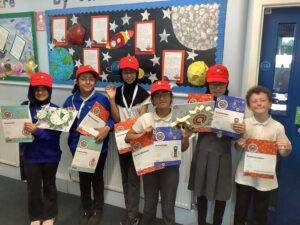
Pupils interview engineers, spot a real-world problem, and come up with their own engineering solution through an annotated drawing and a letter explaining their idea.
The open-ended challenge encourages creativity and problem-solving, while helping pupils see how engineering connects to everyday life. Engineers review the entries, with shortlisted pupils moving on to regional judging panels and winners celebrated through exhibitions and awards events.
Primary Engineer Programmes
Primary Engineer Programmes give pupils the chance to experience engineering through practical, hands-on projects, while helping teachers build their confidence and skills.
Schools receive teacher training, physical resources and digital teaching materials, with an engineer link provided where possible. Each programme can engage around 60 pupils and encourages them to build, test, solve problems and create.
Reece Foundation funding also supports teacher cover costs, helping remove a practical barrier to taking part, while continuation kits allow schools to deliver programmes again with new classes.
From 2026–2029, North East schools will take part in two new programmes:
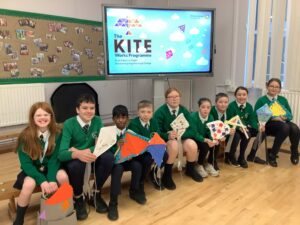
The Kite Works introduces pupils to aviation and aerospace engineering through the design and construction of kites, exploring structures, materials and forces.
Time Machines explores micro engineering, horology, navigation, gears, ratios and revolutions, with pupils designing and assembling their own ‘Time Machine’.
Why is funding from the Reece Foundation important?
Reece Foundation funding helps Primary Engineer give schools high-quality engineering experiences, resources and teacher training that might otherwise be difficult to access.
It helps remove practical barriers to taking part and gives pupils the chance to experience engineering for themselves – meeting engineers, solving problems and developing their own ideas. The support also helps teachers feel more confident teaching engineering, creating a lasting impact within schools.
What impact has the funding achieved?
Over the last three years, Reece Foundation support has helped Primary Engineer work with 160 schools across the North East, allowing thousands of pupils to develop engineering and STEM skills through practical learning.
The Leaders Award has helped build stronger links between schools and engineers across a wide North East region, from the Scottish Borders to Darlington and County Durham and towards the borders of Cumbria and Lancashire.
For pupils, taking part builds confidence, creativity, and problem-solving skills while showing them how engineering can tackle real-world challenges. Meeting professional engineers also helps them learn about the many different careers available in engineering and STEM.
Teachers gain new skills, resources and confidence, helping engineering become part of everyday learning in their schools.
Continuation kits further extend the impact by enabling schools to deliver programmes to new classes year after year.
Why has the Reece Foundation supported the project?
The Reece Foundation’s support reflects its commitment to engineering, education and the long-term success of the North East.
Back to Case StudiesAnne Reece, Chair of the Reece Foundation said:
“Introducing young people to engineering from an early age is a really important part of building the skills and confidence they need for the future. Projects like this encourage curiosity, creativity, resilience and problem-solving, while showing pupils that engineering is an exciting, creative and rewarding career with opportunities across so many different industries.
“By supporting both pupils and teachers, we’re helping more young people discover what engineering has to offer and giving them the skills, confidence and inspiration to think about STEM careers. That matters not only for the young people themselves, but for the future success of the North East and its engineering and manufacturing industries.”